Key points
- Understanding Martial Law in South Korea
- Reactions to Yoon Suk Yeol's Sentencing
Writers’ Room
The Fallout of Yoon Suk Yeol's Five-Year Sentence: Legal Consequences and Political Ramifications
What this signals next — By Velvet Crash
Yoon Suk Yeol Sentence: A Defining Moment
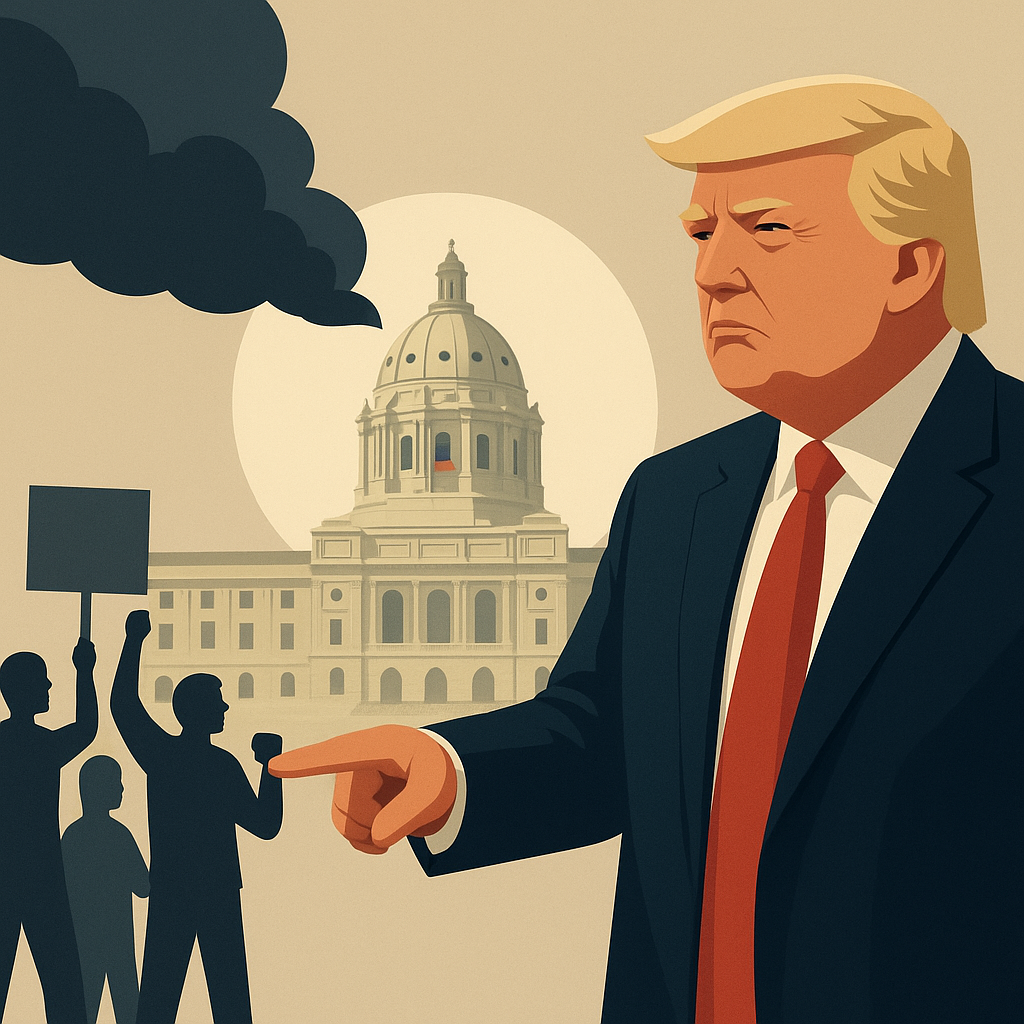
On January 16, 2026, South Korea's former president Yoon Suk Yeol was sentenced to five years in jail for his involvement in a martial law case, significantly impacting the nation’s political landscape. This conviction, tied to serious allegations from his presidency, exemplifies a shift in the public's intolerance for political misconduct, reflecting the judiciary's growing independence.
Yoon’s sentencing marks a notable juncture in South Korean politics, as it addresses actions taken during his presidency from 2022 to 2026, amplifying demands for accountability from past leaders. The case highlights the judiciary's role in holding political figures accountable, setting a precedent for future governance.
Martial Law Case: Context and Consequences
The martial law case holds both legal and sociopolitical significance. The court's ruling scrutinizes Yoon’s actions during his presidency at a time of heightened tension, cascading into broader implications for the political arena. Opposition parties now have a potent narrative to rally electoral support, positioning themselves as defenders of legal integrity, especially in the wake of Yoon's five-year sentence.
This pivotal moment could shift public trust; citizens are increasingly likely to assess governmental actions critically. The focus on legal accountability reveals a commitment to democratic principles and could pave the way for future reforms aimed at strengthening institutional checks.
Court Decision: Reaction and Future Implications
Immediate public and political reactions to Yoon's five-year sentence underscore a society in flux regarding trust in leadership. Political opponents appear poised to leverage this ruling as a campaign tool, fully aware that the evolving public sentiment can greatly influence electoral outcomes.
Conversely, Yoon’s allies may argue that the conviction is politically motivated, framing it as an attack against his party. This counter-narrative might find traction among specific voter segments, complicating the anticipated political landscape leading into the next elections as they gauge public reaction in the weeks following the ruling.
What it turns into (Top outcomes)
South Korea’s former president found guilty in martial law case
Understanding Martial Law in South Korea
explainer_siteWhy it works: Provides context on the implications of martial law and its historical significance in South Korea.
Why now: breaking momentum · 48h window
- Research historical instances of martial law
- Create a timeline of events leading to the verdict
- Analyze public reaction and implications for future governance
Reactions to Yoon Suk Yeol's Sentencing
video_trendWhy it works: Engages viewers with diverse opinions and reactions from the public and experts.
Why now: breaking momentum · 48h window
- Compile video clips of public reactions
- Interview political analysts
- Create a montage of social media responses
Why it matters
The court's decision to convict Yoon marks a pivotal moment in South Korea's political landscape, reflecting ongoing tensions surrounding the military's role in governance and the accountability of leaders for historical injustices. This ruling not only imposes legal consequences on Yoon but also reignites debates over the legacy of past military rule in the country and its implications for democratic governance.
Scenarios
Best case
The ruling fosters political accountability, leading to reforms that strengthen democracy and civil oversight, improving public trust in institutions.
Base case
The political landscape remains polarized, leading to public protests and reactions from both supporters and detractors of Yoon, but without significant shifts in governance.
Worst case
The conviction triggers widespread unrest, undermining the stability of the government and reigniting divisions over historical injustices, potentially resulting in a constitutional crisis.
What to watch next
- Reactions from political parties regarding the ruling.
- Public demonstrations or gatherings in response to the verdict.
- Statements from international observers or human rights organizations.
Confidence & momentum
Confidence reflects data quality. Momentum tracks acceleration versus baseline.
Sources
Related signals


Top 3 plays
Creator & Founder Playbook
Play 1
Create a Documentary on Martial Law in South Korea
The sentencing of Yoon Suk Yeol brings renewed attention to the topic of martial law.
Next steps
- Gather archival footage and interviews
- Outline key historical events
- Plan distribution strategy
Professional copy
Play 2
Host a Panel Discussion on Governance in South Korea
The verdict opens up discussions on governance and accountability in South Korea.
Next steps
- Invite political analysts and historians
- Promote the event on social media
- Record and share the discussion
Professional copy
Play 3
Create an Infographic on Martial Law
Visual content can help explain complex topics like martial law to a broader audience.
Next steps
- Research key facts and figures
- Design the infographic
- Share on social media platforms
Professional copy
For Journalists
South Korea’s Former President Yoon Suk Yeol Sentenced in Martial Law Case
Court imposes five-year prison term for role in controversial military governance
One-line summary
A South Korean court has sentenced former president Yoon Suk Yeol to five years in prison for his involvement in a martial law case.
Background
The case stems from allegations regarding the use of martial law during Yoon's administration, raising concerns about military interference in politics and civil rights.
What changed
The court's ruling marks a legal reckoning for Yoon Suk Yeol, highlighting accountability for past governmental actions.
Why it matters
This sentence could impact public trust in governance in South Korea and influence future political developments.
Story angles
- Impact on South Korean politics
- Public reaction to the verdict
- Comparisons with past political trials
Questions to ask
- What are the implications for Yoon's political career?
- How does this case reflect on South Korea's political landscape?
- What reactions have emerged from civil society organizations?
Sources to check
- Al Jazeera
For Creators
Big Idea
The impact of political decisions on democracy revealed by a major verdict.
Hook: South Korea's former president faces justice in a landmark martial law case.
Short-form concepts
- Key moments in the trial
- Public reactions to the verdict
- Implications for South Korea's political landscape
Titles
- Justice Served: Former South Korean President Sentenced
- Martial Law Case: A Turning Point for South Korea
- Yoon Suk Yeol Found Guilty: What This Means for Democracy
Opening hooks
- What happens when a leader's actions cross the line?
- Today, we explore a significant moment in South Korean history.
- A landmark decision shakes the political foundation of South Korea.
30s narration
In a groundbreaking verdict, South Korean court has sentenced former president Yoon Suk Yeol to five years in prison linked to a martial law case. This trial not only holds Yoon accountable but raises critical questions about accountability in politics in South Korea. Join us as we break down the verdict and its implications for the nation's future.
60s narration
Former South Korean president Yoon Suk Yeol has been sentenced to five years in prison for his involvement in a martial law case that echoes the nation’s turbulent past. This verdict is a pivotal moment for South Korea’s commitment to democracy and accountability. Yoon’s actions have sparked widespread debate on the role of leaders and their responsibilities to the nation. As South Koreans reflect on this decision, the spotlight now turns to the potential impact on future leadership and democratic integrity. In this video, we dive into the details of the case and explore what this means for the political landscape in South Korea.
Stay Ahead of the Curve.
Signal-based insights delivered before they hit mainstream.