Key points
- Understanding the Iran-US Tensions
- Protests for Peace
- Tensions Explained
Writers’ Room
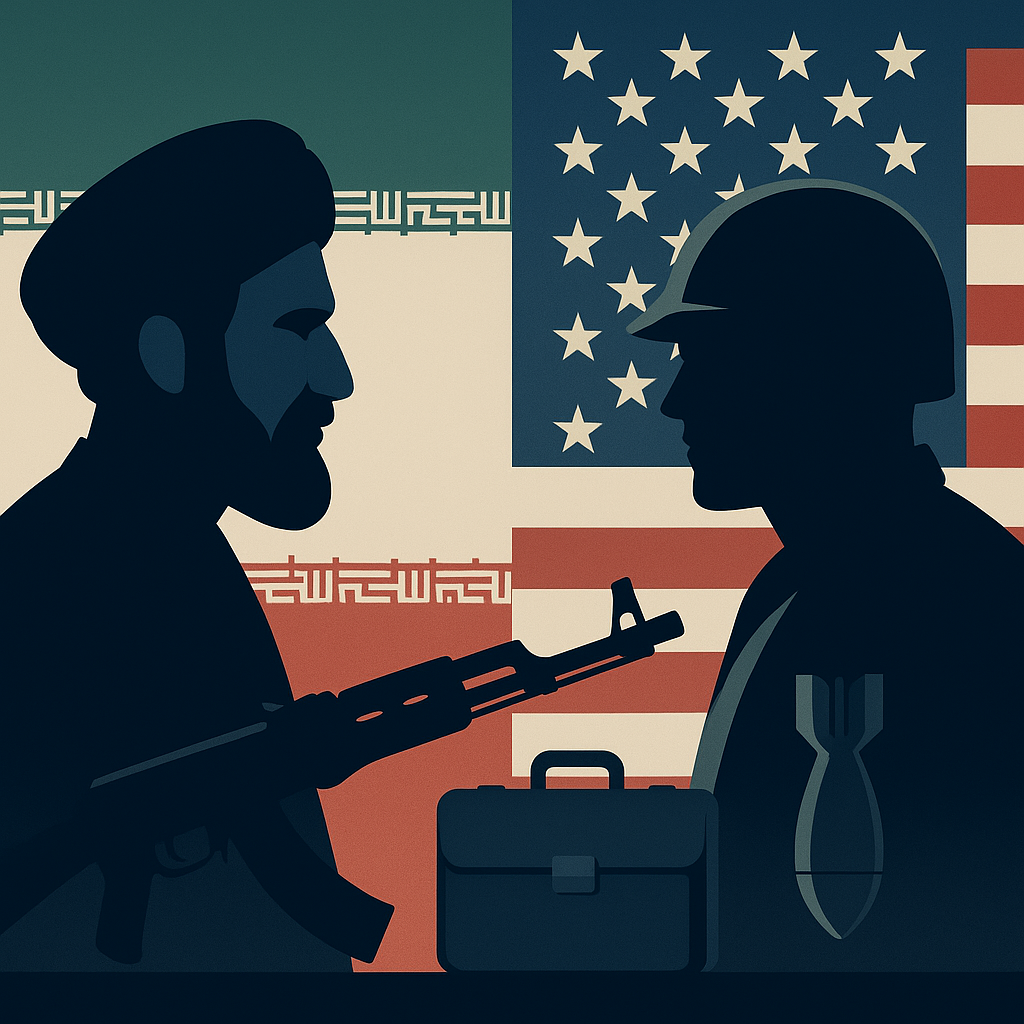
Tensions Rise: Iran's Arms Seizure Signals Approaching Conflict with the US
What this signals next — By Patchwork
Iran's January Arms Seizure: Power Play or Preemption?
In January 2026, Iran's intelligence agency seized US arms and explosive equipment from militants, a move that underscores Iran's effort to project power amid domestic unrest. With protests challenging the regime's legitimacy—and reports of citizens rallying against authoritarian practices—the timing of this seizure carries significant weight.
Iran's actions may serve to reinforce its control domestically while also framing its military maneuvers as responses to external threats. Amid heightened scrutiny from the international community, Tehran risks escalating tensions, with each display of military readiness potentially creating a cycle of hostility with the US.
Ongoing Protests: Catalyst for Conflict and Control
Iran's ongoing protests not only reflect widespread dissent but also create a precarious environment for military engagements. The regime's crackdown on these demonstrations intensifies the pressure to showcase strength, particularly against perceived US influence. Since January, protests have persisted, demonstrating the regime's instability and the urgent atmosphere in which they operate.
The arms seizure might be perceived as a nationalistic narrative to unify the populace and divert attention from growing discontent. Tehran may leverage this incident to reinforce its narrative of resistance against foreign intervention, particularly from the US, which it blames for exacerbating internal strife.
Potential Conflict Escalation: Who Will Blink First?
The January 2026 arms seizure has set the stage for possible conflict escalation between Iran and the US. Each actor holds significant leverage, with Iran's military actions contrasting sharply against the US's established military presence in the region. Diplomatic tensions are exacerbated by Iran's need to quell dissent internally, creating a volatile scenario where both nations could miscalculate their responses.
What it turns into (Top outcomes)
Iran, US at possible precipice of renewed conflict as protests continue
Understanding the Iran-US Tensions
explainer_siteWhy it works: Provides context and background on the historical and current tensions between Iran and the US, helping audiences grasp the complexities of the situation.
Why now: breaking momentum · 48h window
- Research historical events
- Create infographics
- Share on social media
Protests for Peace
movementWhy it works: Encourages grassroots movements advocating for peace and dialogue rather than conflict, resonating with audiences concerned about war.
Why now: breaking momentum · 48h window
- Organize local events
- Create a petition
- Engage on social media
Tensions Explained
video_trendWhy it works: Short, engaging videos summarizing the situation can go viral, appealing to younger audiences on platforms like TikTok and YouTube.
Why now: breaking momentum · 48h window
Why it matters
The seizure of US weapons and explosive materials by Iranian authorities amid continuous internal unrest highlights an escalating dynamic that could propel the region toward renewed conflict. The situation is exacerbated by Iran's efforts to consolidate power domestically while facing external pressures, particularly from the US, leading to a potentially explosive standoff.
Scenarios
Best case
Diplomatic dialogue resumes, leading to de-escalation and renewed negotiations on nuclear and regional security issues.
Base case
Tensions persist, with sporadic incidents but no direct military confrontation, maintaining a fragile status quo.
Worst case
An outright military conflict erupts between US and Iranian forces, drawing in regional allies and leading to widespread instability.
What to watch next
- Statements from US military officials regarding the situation.
- Iran's response to any potential US military movements in the region.
- Reactions from international allies of both Iran and the US.
Confidence & momentum
Confidence reflects data quality. Momentum tracks acceleration versus baseline.
Sources
Related signals


Top 3 plays
Creator & Founder Playbook
Play 1
Create an Informative Video
With rising tensions, audiences are seeking clarity and understanding.
Next steps
- Outline key points
- Record and edit video
- Share on multiple platforms
Professional copy
Play 2
Host a Webinar on Peace Initiatives
The public is increasingly concerned about the potential for conflict and is looking for ways to engage.
Next steps
- Set a date
- Invite speakers
- Promote on social media
Professional copy
Play 3
Launch a Social Media Campaign
Social media is a powerful tool for raising awareness and mobilizing support.
Next steps
- Develop campaign materials
- Engage with followers
- Track campaign impact
Professional copy
Personas & angles
For Journalists
Iran and US Face Renewed Conflict as Protests Persist
Iran's intelligence agency claims to have seized US arms from militants.
One-line summary
Amid ongoing protests, Iran has reportedly taken control of US arms, raising fears of escalating conflict with the United States.
Background
Tensions between Iran and the US have been heightened in recent months, marked by protests in Iran and a history of confrontations over military activities in the region.
What changed
Iran's intelligence agency announced the seizure of US arms and explosives, attributed to militants, which could threaten to escalate already tense relations.
Why it matters
Increased hostilities between Iran and the US could have significant geopolitical ramifications, impacting oil markets and international security.
Story angles
- Impact of renewed hostilities on global oil prices
- Potential military responses from the US
- Reactions from other countries in the region
Questions to ask
- What are the implications of the seized arms for US-Iran relations?
- How might the situation affect the ongoing protests in Iran?
- What could be the international community's response to rising tensions?
Sources to check
- Al Jazeera
For Creators
Big Idea
Tensions between Iran and the US are on the rise as protests continue and arms seizures escalate.
Hook: Is the world on the brink of renewed conflict between Iran and the US amid escalating protests?
Short-form concepts
- Explaining the current tensions between Iran and the US.
- Highlighting the implications of arms seizures on international relations.
- Spotlighting the role of protests in escalating conflicts.
Titles
- Iran-US Tensions: Are We on the Brink?
- Protests and Arms Seizures: The New Iran-US Crisis
- Understanding the Iran-US Conflict: What's Happening Now
Opening hooks
- Did you hear about the latest arms seizures by Iran's intelligence? It's raising alarms!
- Tensions are boiling over between Iran and the US. Here's what you need to know!
- As protests flare up in Iran, the stakes get higher for US-Iran relations.
30s narration
Tensions between Iran and the US have reached a worrying peak. Reports show Iran's intelligence has seized US arms and explosives, raising fears of a new conflict. Amidst ongoing protests, these actions could provoke a dangerous escalation. How will this affect the political landscape? It's time to take notice.
60s narration
The situation between Iran and the US is increasingly tense. Recently, Iran's intelligence agency reported seizing a cache of US arms and explosive materials, allegedly from militants. This act not only raises concerns about a possible military confrontation but also reflects the challenges facing Iran amid widespread protests. As citizens voice their discontent, the implications for US-Iran relations are profound. Could we be approaching a breaking point? Stay informed as this situation evolves.
Stay Ahead of the Curve.
Signal-based insights delivered before they hit mainstream.