Key points
- Interactive Timeline of Iran's Crises
- Documentary Series on Iran's History
Writers’ Room
Iran since 1979: The Persistence of Crisis and Identity
What this signals next — By Sunny Wrench
Hostages Taken: Legacy of Distrust
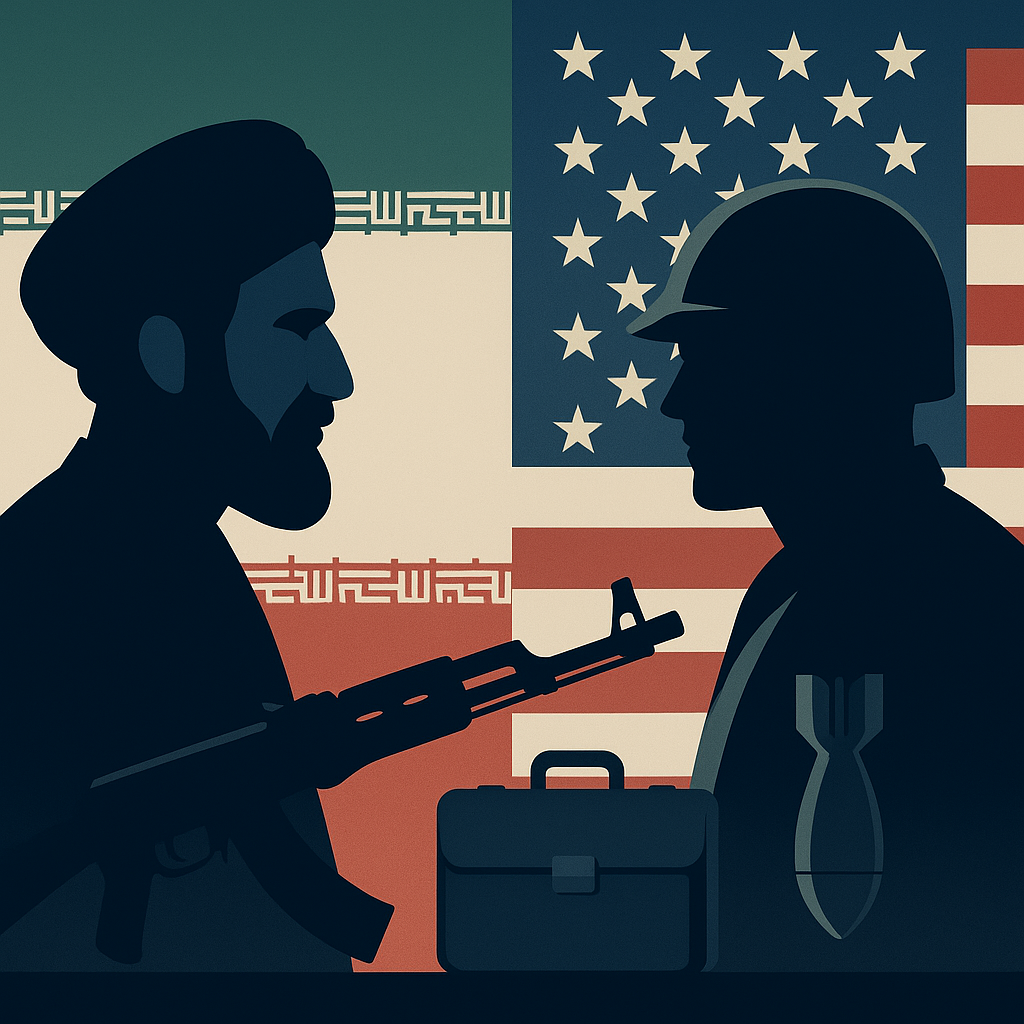
The Iran hostages taken on November 4, 1979, ignited decades of U.S.-Iran animosity, catalyzing sanctions and fostering a narrative of resistance in Iranian politics. The captives became symbols of foreign domination, and their release remains a touchpoint in current diplomatic dialogues. This event has ingrained the belief in Iran that external engagement jeopardizes sovereignty, shaping today's nuclear negotiations.
The 1979 crisis contributes to a cycle of skepticism, where each diplomatic overture stirs historical grievances. This legacy influences how Iranian stakeholders approach negotiations, revealing deep-seated fears of foreign intervention that complicate efforts for normalization. As talks resume, the shadows of past hostilities shape contemporary strategies, illustrating how history still governs geopolitical calculations.
Iran-Iraq War: Echoes of Conflict
The Iran-Iraq War, spanning 1980 to 1988 and resulting in over a million casualties, solidified Iran’s military and geopolitical posture. This devastating conflict has instilled a persistent sense of vulnerability in Tehran, driving its current defense policies and nuclear pursuits, deeply rooted in the harrowing past of resisting Saddam Hussein.
Today, Iran's relationship with Iraq reflects this history. Tehran aims to stabilize the Shiite-led government while balancing regional tensions. Its influence stems from a desire to project power, but the echoes of past conflicts temper its aspirations. Consequently, the legacy of relentless warfare weighs heavily on Iran's strategic calculations in a volatile Middle East.
Nuclear Deal Negotiations: A Game of Leverage
Since the nuclear program gained international scrutiny in 2003, negotiations have unfolded as a complex interplay of incentives. Amid crippling U.S. sanctions imposed in 2018, Iran seeks economic relief while maintaining its nuclear capabilities as a strategic bargaining chip. The sanctions create a challenging landscape for diplomacy, as they exacerbate internal and external pressures.
What it turns into (Top outcomes)
Iran since 1979: A timeline of crises
Interactive Timeline of Iran's Crises
explainer_siteWhy it works: Engages users with a visual representation of historical events, making complex information more digestible.
Why now: breaking momentum · 48h window
- Create a detailed timeline with key events and dates.
- Incorporate multimedia elements like videos and images.
- Share on educational platforms and social media.
Documentary Series on Iran's History
video_trendWhy it works: Visual storytelling can attract a wide audience and raise awareness about Iran's historical context.
Why now: breaking momentum · 48h window
- Develop a script focusing on key crises.
- Collaborate with historians for accuracy.
- Promote on platforms like YouTube and TikTok.
Why it matters
The timeline of crises in Iran since 1979 serves as a lens through which to understand the turbulent relationship between internal governance, external pressures, and the evolving sociopolitical landscape. Key events, including the hostage crisis, the Iran-Iraq War, and nuclear negotiations, highlight underlying tensions and the quest for sovereignty.
Scenarios
Best case
Diplomatic engagement leads to successful nuclear negotiations, improving Iran's international standing and regional relationships.
Base case
Iran remains in a state of stasis, balancing its internal challenges with external pressures while maintaining a contentious relationship with the West.
Worst case
Escalation of tensions leads to military conflict, further isolating Iran and destabilizing the surrounding region.
What to watch next
- Statements from Iranian policymakers regarding nuclear negotiations.
- Reactions from key international players in response to Iran's domestic issues.
- Emerging protests or civil unrest within Iran signaling changes in public sentiment.
Confidence & momentum
Confidence reflects data quality. Momentum tracks acceleration versus baseline.
Sources
Related signals



Top 3 plays
Creator & Founder Playbook
Play 1
Create a Podcast Series
Podcasts are increasingly popular for deep dives into historical topics.
Next steps
- Outline episodes focusing on different crises.
- Invite experts for interviews.
- Launch on major podcast platforms.
Professional copy
Play 2
Host a Virtual Panel Discussion
Engaging discussions can foster understanding and awareness.
Next steps
- Gather experts on Iranian history.
- Promote the event on social media.
- Record and share the discussion.
Professional copy
Play 3
Develop an Educational Resource Kit
Educational resources can help students and educators understand complex histories.
Next steps
- Create lesson plans and materials.
- Distribute to schools and educational platforms.
- Gather feedback for improvement.
Professional copy
For Journalists
Iran Since 1979: A Comprehensive Timeline of Crises
An overview of pivotal events shaping Iran's modern identity.
One-line summary
Iran has faced a series of significant crises since the 1979 revolution, influencing its political and social fabric.
Background
Since the 1979 Islamic Revolution, Iran has encountered numerous challenges, including a protracted war with Iraq, geopolitical tensions, and ongoing disputes over its nuclear program.
What changed
The timeline highlights critical events that have defined Iran's trajectory over the decades, including the 1979 hostage crisis and its implications for international relations.
Why it matters
Understanding the historical context of Iran’s crises is crucial for grasping its current political landscape and international relations.
Story angles
- Impact of historical events on current Iranian society.
- The evolution of Iran's foreign policy since 1979.
- The significance of each crisis in shaping regional dynamics.
Questions to ask
- What lessons can be learned from Iran's past crises?
- How do these events influence Iran's current domestic and foreign policies?
- What role does international perception play in Iran's crisis management?
Sources to check
- Al Jazeera
For Creators
Big Idea
Explore the pivotal crises that have shaped Iran since 1979.
Hook: Dive into the timeline of events that defined Iran's identity over the last four decades.
Short-form concepts
- Key events in Iran since 1979
- Impact of the hostage crisis on Iran's global relations
- The significance of the Iran-Iraq war
- How nuclear disputes reshaped Iran's politics
- The role of social movements in Iran's history
Titles
- Iran: A 40-Year Timeline of Crises
- The Struggles of Iran Since 1979
- Understanding Iran's Identity Through Its Crises
Opening hooks
- What has shaped Iran's complex identity since 1979?
- From hostages to nuclear threats—how did we get here?
- Join me as we uncover Iran's turbulent timeline.
30s narration
Since 1979, Iran has faced multiple crises that have not only defined its political landscape but also shaped its identity. From the gripping hostage crisis to a devastating war and ongoing nuclear disputes, each event tells a deeper story of resilience and turmoil.
60s narration
Iran’s history since 1979 is a timeline marked by significant crises that have influenced its national identity and global standing. Beginning with the 1979 hostage crisis, which strained international relations, moving through the grueling Iran-Iraq War that lasted almost a decade, and culminating in ongoing nuclear disputes that continue to challenge its political landscape. Understanding these events is crucial to grasping why Iran remains a pivotal player in global affairs today.
Captions
Stay Ahead of the Curve.
Signal-based insights delivered before they hit mainstream.