
Key points
- Understanding Greenland's Political Status
- Support for Greenlandic Autonomy
- Greenland's Future: A Video Series
Writers’ Room
Greenland's Autonomy Declared: The Complexities of National Identity
What this signals next — By Patchwork
Greenland's Prime Minister's Assertion of Autonomy
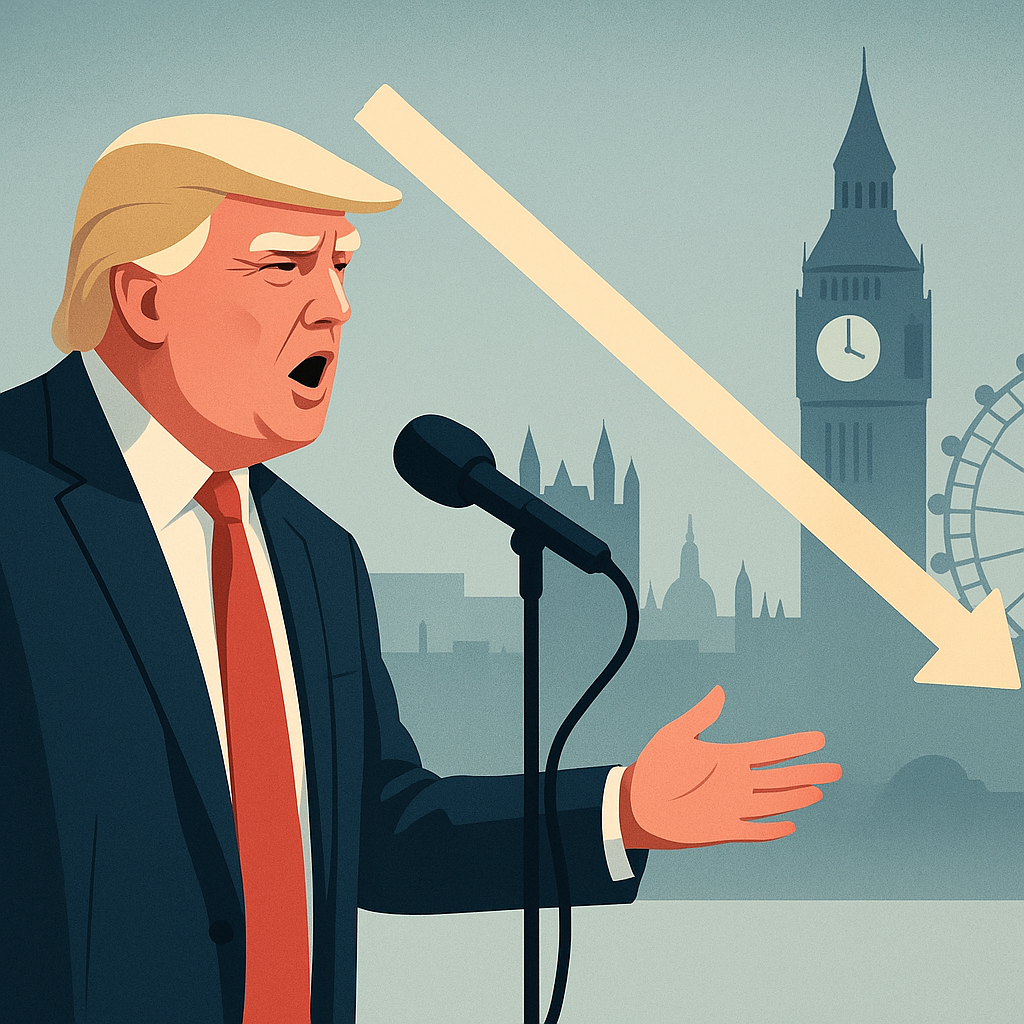
On January 13, 2026, Greenland's Prime Minister unwaveringly asserted that Greenland will not be part of the USA, a statement that reverberates with profound implications for the territory's national identity. This bold position not only reflects an internal commitment to self-governance but also acts as a defensive stance against perceived U.S. expansionist intentions, particularly in the wake of past attempts to acquire the island that highlight a larger narrative of geopolitical ambition.
The assertion stands rooted in Greenland's historical quest for autonomy within the Kingdom of Denmark. This journey has been fraught with complexities, as the island has sought to navigate its identity amid external pressures. By openly rejecting ties with the USA, Greenland's leadership is making a statement that prioritizes cultural preservation over potential economic enticements from more powerful nations.
USA's Strategic Interests in Greenland
The USA's perspective towards Greenland extends beyond mere interest; it embodies a strategic calculus aimed at bolstering military and economic footholds in the Arctic region. The region's melting ice caps, due to climate change, have opened new pathways for shipping and resource exploration, and the U.S. views Greenland as integral to these ambitions. Former President Trump's infamous bid to purchase the territory in 2019 further underscores a historical strategy aimed at securing land with significant geopolitical and economic value.
As Greenland asserts its autonomy, the U.S. faces a multifaceted challenge: it must balance its strategic interests with respect for Greenland's sovereignty claims. These developments threaten to complicate U.S. geopolitical objectives not only in the Arctic but also on a broader international stage, where perceptions of colonial ambitions may adversely affect its diplomatic relations with both allies and Arctic nations.
Denmark's Influence on Greenland's Identity
What it turns into (Top outcomes)
‘Greenland will not be part of the USA,’ territory’s PM asserts
Understanding Greenland's Political Status
explainer_siteWhy it works: Provides context and historical background on Greenland's relationship with the USA and Denmark.
Why now: breaking momentum · 48h window
- Research Greenland's history
- Create a timeline of Greenland's political changes
- Discuss implications for international relations
Support for Greenlandic Autonomy
movementWhy it works: Engages audiences who resonate with self-determination and local governance issues.
Why now: breaking momentum · 48h window
- Create a petition for supporting Greenlandic autonomy
- Organize discussions on social media
- Collaborate with activists
Greenland's Future: A Video Series
video_trendWhy it works: Visual storytelling can effectively communicate Greenland's unique culture and political stance.
Why it matters
The assertion underlines Greenland's commitment to maintaining its autonomy and cultural identity amidst ongoing discussions about the territory's geopolitical future.
Scenarios
Best case
Greenland strengthens diplomatic ties with other nations, fostering an environment of cooperation and mutual benefit.
Base case
Greenland maintains its current status, focusing on regional development while managing external pressures.
Worst case
Increased tensions arise with the US or other nations, leading to economic or political instability.
What to watch next
- Statements from US officials regarding Greenland's autonomy.
- Reactions from other Arctic nations to Greenland's declaration.
- Plans for future dialogue between Greenland and European nations.
Confidence & momentum
Confidence reflects data quality. Momentum tracks acceleration versus baseline.
Sources
Related signals



Top 3 plays
Creator & Founder Playbook
Play 1
Create an Informative Blog Post
With the recent statement from Greenland's PM, there's a need for clarity on the territory's political status.
Next steps
- Research Greenland's history and political context
- Draft a comprehensive blog post
- Share on social media platforms
Professional copy
Play 2
Launch a Social Media Campaign
To raise awareness and support for Greenland's autonomy following the PM's statement.
Next steps
- Design graphics and messages for social media
- Engage with followers and encourage sharing
- Collaborate with influencers to amplify the message
Professional copy
Play 3
Create a Video Series on Greenland
Visual content can effectively convey the cultural and political significance of Greenland's autonomy.
Next steps
- Plan video content focusing on Greenland's culture and politics
- Engage local voices and experts for interviews
- Distribute videos across social media platforms
Professional copy
For Journalists
Greenland PM Asserts Territory Will Remain Independent from the USA
Statement emphasizes Greenland's autonomy and national identity amidst ongoing discussions.
One-line summary
The Prime Minister of Greenland has reaffirmed the territory's commitment to maintaining its autonomy and identity, stating it will not become part of the USA.
Background
Greenland, an autonomous territory within the Kingdom of Denmark, has faced discussions regarding its status and relations with the United States, especially following past interest from the U.S. in purchasing the land.
What changed
The Greenlandic Prime Minister has publicly stated that proposals for Greenland to become part of the USA are unfounded.
Why it matters
This statement highlights issues of territorial sovereignty and national identity, relevant for understanding Greenland's political landscape and its relationship with larger powers.
Story angles
- Analysis of Greenland's political status and autonomy
- Implications for U.S.-Greenland relations
- Public sentiment in Greenland regarding autonomy
Questions to ask
- What prompted the Prime Minister's statement?
- How does this reflect Greenland's current political climate?
- What are the implications for future negotiations with the U.S.?
Sources to check
- Al Jazeera
For Creators
Big Idea
Greenland's autonomy stands firm amidst speculation of U.S. involvement.
Hook: Greenland's PM declares the territory's independence and identity in the face of U.S. interest.
Short-form concepts
- Highlighting Greenland's rich culture
- Exploring the implications of autonomy
- Interview with locals about their identity
Titles
- Greenland's Stance on U.S. Relations
- Why Greenland Chooses Independence
- Inside Greenland's Cultural Identity
Opening hooks
- Did you know Greenland won’t join the USA? Here’s why!
- The Prime Minister of Greenland has a bold message for the world.
- Greenland stands strong: a message of autonomy.
30s narration
In a decisive statement, Greenland’s Prime Minister emphasizes the territory’s independence, declaring that Greenland will not become part of the USA. This self-assured assertion reflects the territory's commitment to its unique identity and autonomy while navigating international interests.
60s narration
Greenland's Prime Minister has taken a bold stand, asserting that Greenland will not become part of the USA. This announcement is not just political; it highlights the territory's rich culture and enduring identity. As global interest in Greenland grows, this reaffirmation of autonomy sets the tone for future discussions about its role on the world stage. Let’s dive deeper into what this means for Greenland and its people.
Captions
- Greenland's voice matters.
- Autonomy is key for Greenland!
- Understanding Greenland's identity.
Stay Ahead of the Curve.
Signal-based insights delivered before they hit mainstream.


