Key points
- Mobilizing Support for Iranian Protests
- Understanding the Iran Protests
- Documenting the Protests
Writers’ Room
Iran's Accusation: Unpacking Claims of Foreign Instigation in Protests
What this signals next — By Sunny Wrench
Accusation Date January 14, 2026: Timing and Intent
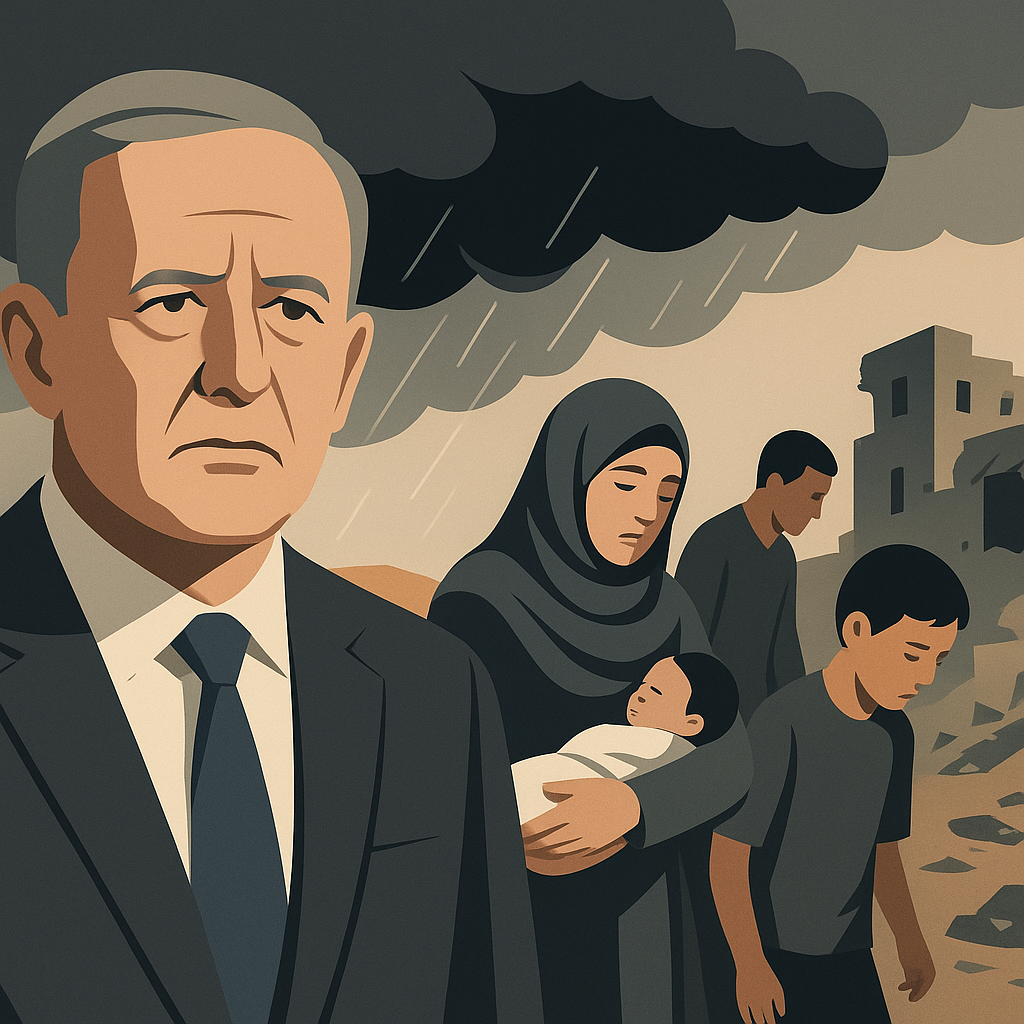
On January 14, 2026, Iran leveled serious allegations against Israeli intelligence, asserting a foreign-led contribution to internal protests. This timing is crucial—amidst a backdrop of rising economic dissatisfaction and civil unrest, Iran's accusations serve dual purposes. Firstly, they aim to deflect attention from domestic issues by framing dissent as a product of foreign interference, thereby consolidating national unity against perceived external threats.
Historically, Iran has habitually accused foreign powers of instigating chaos within its borders. This rhetoric may appeal to nationalist sentiments; however, it also raises questions about the scale of legitimate internal dissent versus orchestrated movements. With ongoing economic hardships impacting citizens' lives, the authenticity of these protests may increasingly become overshadowed by geopolitical narratives.
Covert Operations Link to Protest Dynamics: A Complex Web
Iran's assertions about covert operations imply a sophisticated analysis of regional conflicts, especially considering escalated tensions with Israel. The accusation indicates a broader narrative where regional adversaries leverage social unrest as a tactic to destabilize rivals. Such claims aren't simply about blaming Israel; they bring to light more significant concerns of national sovereignty and security.
However, the nature of the protest is equally crucial. While some are indeed fueled by discontent, ineffectively attributing these movements to foreign meddling may limit government accountability in addressing citizens' grievances. As protests intensify, the potential disillusionment of the populace with their leadership may ironically serve to amplify the very instability Iran seeks to combat.
Geopolitical Context: Tensions between Iran and Israel
The charged geopolitical landscape highlights Iran's precarious position. Accusing Israeli intelligence of instigation is more than a tactical maneuver; it's also an indicator of Iran's desire to re-establish control over internal narratives, emphasizing external threats as scapegoats for systemic failures. This dynamic lights a path for both Iranian leadership to consolidate power and for Israel to redefine its role in the region.
What it turns into (Top outcomes)
Iran accuses foreign intelligence of being behind protest movement
Mobilizing Support for Iranian Protests
movementWhy it works: The narrative of foreign interference can galvanize support for domestic protests, framing them as a fight against external manipulation.
Why now: breaking momentum · 48h window
- Create a social media campaign highlighting the protests
- Engage influencers to amplify the message
- Organize virtual events to discuss the implications
Understanding the Iran Protests
explainer_siteWhy it works: An explainer can provide context on the protests, foreign involvement, and historical tensions, helping audiences grasp the complexities.
Why now: breaking momentum · 48h window
- Develop a detailed article or video explaining the situation
- Include interviews with experts on Iranian politics
- Share across educational platforms
Documenting the Protests
video_trendWhy it matters
The Iranian government alleges that external actors have exploited internal discontent to fuel unrest, claiming that these agents are utilizing covert operations to destabilize the regime. This accusation underscores Tehran's concern over both domestic stability and external influence amid heightened geopolitical tensions.
Scenarios
Best case
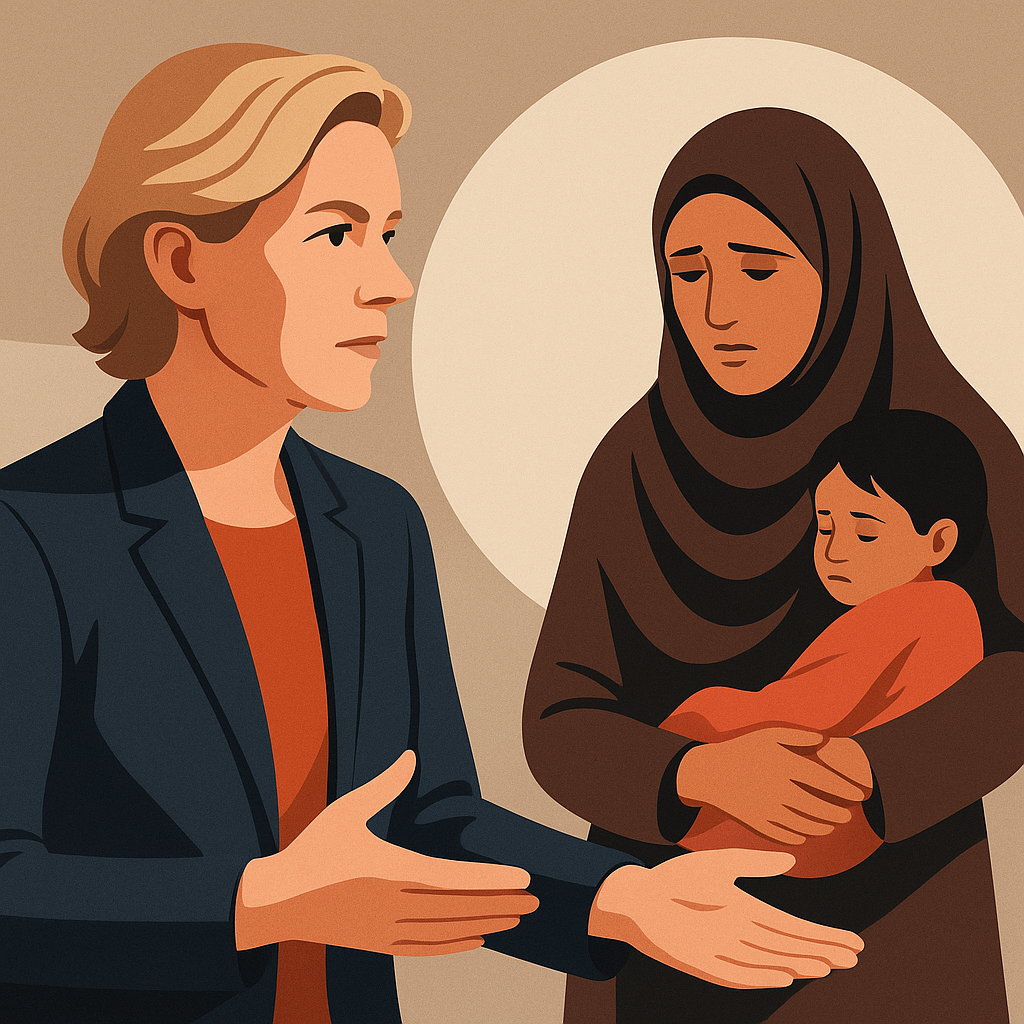
Iran manages to quell the protests through dialogue and reforms, reducing internal dissent while mending some foreign relations.
Base case
The protests continue at a low intensity, prompting a cycle of repression without significant regime change, maintaining status quo tensions with foreign entities.
Worst case
The situation escalates into widespread civil unrest, leading to violent crackdowns, exacerbated regional conflicts, and a further decline in Iran's international standing.
What to watch next
- Monitoring state media responses to gauge the government's stance on the protests.
- Observing potential moves by foreign nations in response to Iran's allegations.
- Tracking social media trends for public sentiment about the protests.
Confidence & momentum
Confidence reflects data quality. Momentum tracks acceleration versus baseline.
Sources
Related signals



Top 3 plays
Creator & Founder Playbook
Play 1
Create a Protest Awareness Campaign
With the recent accusations, there’s a heightened interest in the protests that can be leveraged.
Next steps
- Draft a campaign plan
- Identify key influencers to partner with
- Launch the campaign on social media
Professional copy
Play 2
Develop an Explainer Video
Visual content can effectively communicate the complexities of the situation to a broader audience.
Next steps
- Script the video content
- Gather visuals and footage
- Edit and publish the video
Professional copy
Play 3
Host a Virtual Discussion
Engaging discussions can foster community and deepen understanding of the issues at hand.
Next steps
- Set a date and time for the discussion
- Invite experts and activists to participate
- Promote the event on social media
Professional copy
For Journalists
Iran Accuses Foreign Intelligence of Instigating Protest Movement
Tehran links allegations to ongoing tensions with Western nations and covert operations.
One-line summary
Iran has accused foreign intelligence agencies, particularly Israel, of being behind a domestic protest movement amidst rising tensions.
Background
The accusations come in the context of heightened geopolitical tensions in the region, where Iran has frequently attributed unrest to foreign interference.
What changed
Iran's government has intensified its rhetoric against foreign powers, suggesting a direct link between external intelligence and local protests.
Why it matters
Understanding Iran's accusations can provide insight into regional stability and the geopolitical dynamics influencing domestic issues.
Story angles
- Impact of foreign relations on domestic affairs in Iran
- Comparison of Iran's accusations to historical patterns of state-sponsored narratives
- Analysis of the role of public dissent in authoritarian regimes
Questions to ask
- What evidence has Iran provided for its claims?
- How have foreign governments responded to these allegations?
- What are the potential implications for US-Iran relations?
Sources to check
- Al Jazeera
For Creators
Big Idea
Unpacking Iran's claims about foreign influence in domestic protests.
Hook: What happens when a nation suspects foreign spies of stirring dissent?
Short-form concepts
- Exploring the allegations made by Iran against foreign intelligence.
- The role of foreign agencies in domestic protests: A closer look.
- Understanding Iran's response to perceived foreign intervention.
Titles
- Iran's Protest Accusations: A New Tension
- Behind the Protests: Iran's Blame Game
- Is Foreign Intelligence Fueling Dissent in Iran?
Opening hooks
- What if your government claimed foreign spies were behind your frustrations?
- Iran is pointing fingers—could foreign intelligence really be behind their protests?
- Protests in Iran: Are they truly homegrown, or is there a foreign hand at play?
30s narration
Iran is making headlines by accusing foreign intelligence agencies, notably Israel, of orchestrating the protests within its borders. As tensions rise, these claims highlight the complexities of global influence in local conflicts. Are these allegations just a smoke screen, or is there truth in them? Let's dive in.
60s narration
In a dramatic escalation, Iran has accused foreign intelligence agencies, particularly Israel, of being behind the ongoing protest movement. This claim comes amid rising tensions and covert operations that many believe shape the landscape of dissent in Iran. The Iranian government sees these protests not just as local frustrations but as a direct challenge orchestrated by external forces. But what does this say about the influence of foreign powers in domestic issues? Are these accusations a way to deflect criticism or is there a real risk of foreign intervention? Join me as we dissect the layers behind these claims and their implications.
Stay Ahead of the Curve.
Signal-based insights delivered before they hit mainstream.