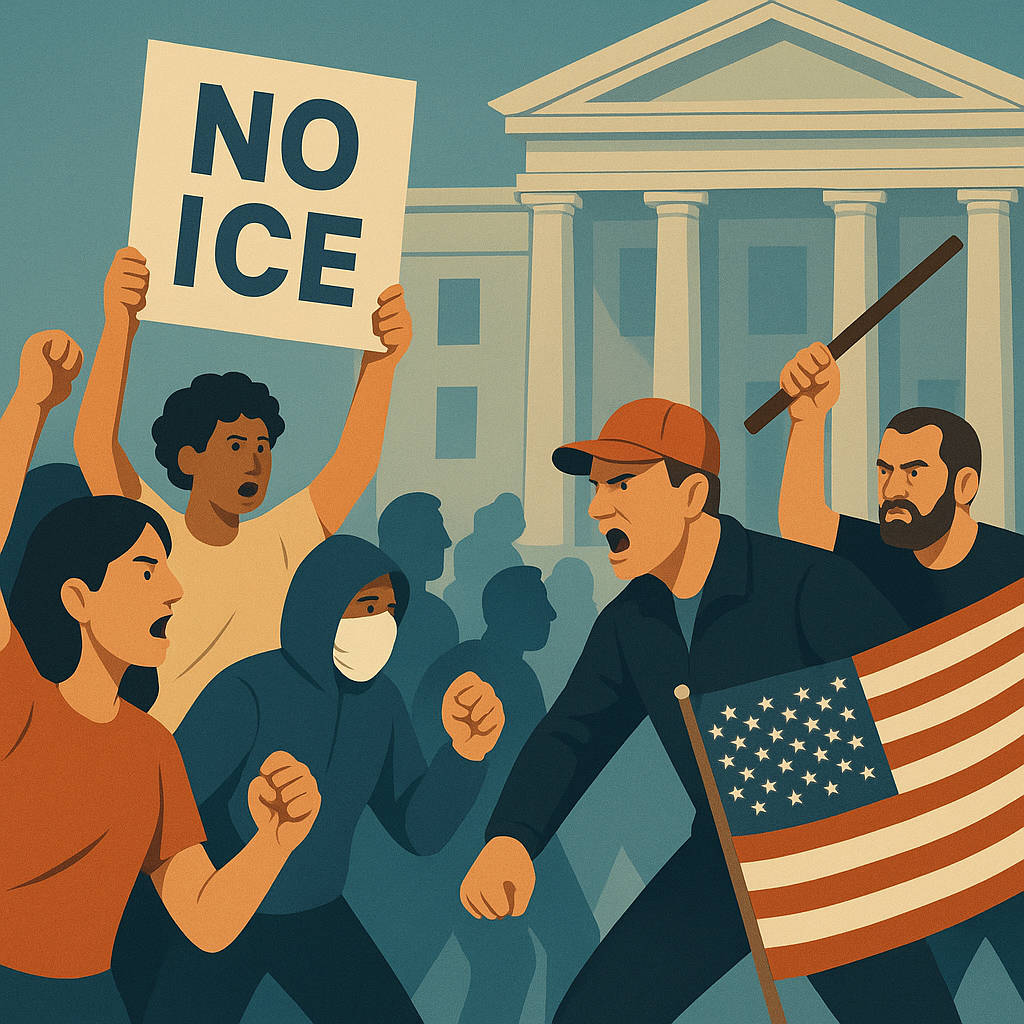
Key points
- Anti-ICE Protest Mobilization
- Understanding the Role of Military in Civil Unrest
- Documenting the Protests
Writers’ Room
Deployment Dilemma: 1,500 Soldiers on Standby in Minneapolis Amid Rising Protests
What this signals next — By Mara Quarterly
Soldiers on Standby: A Tactical Consideration
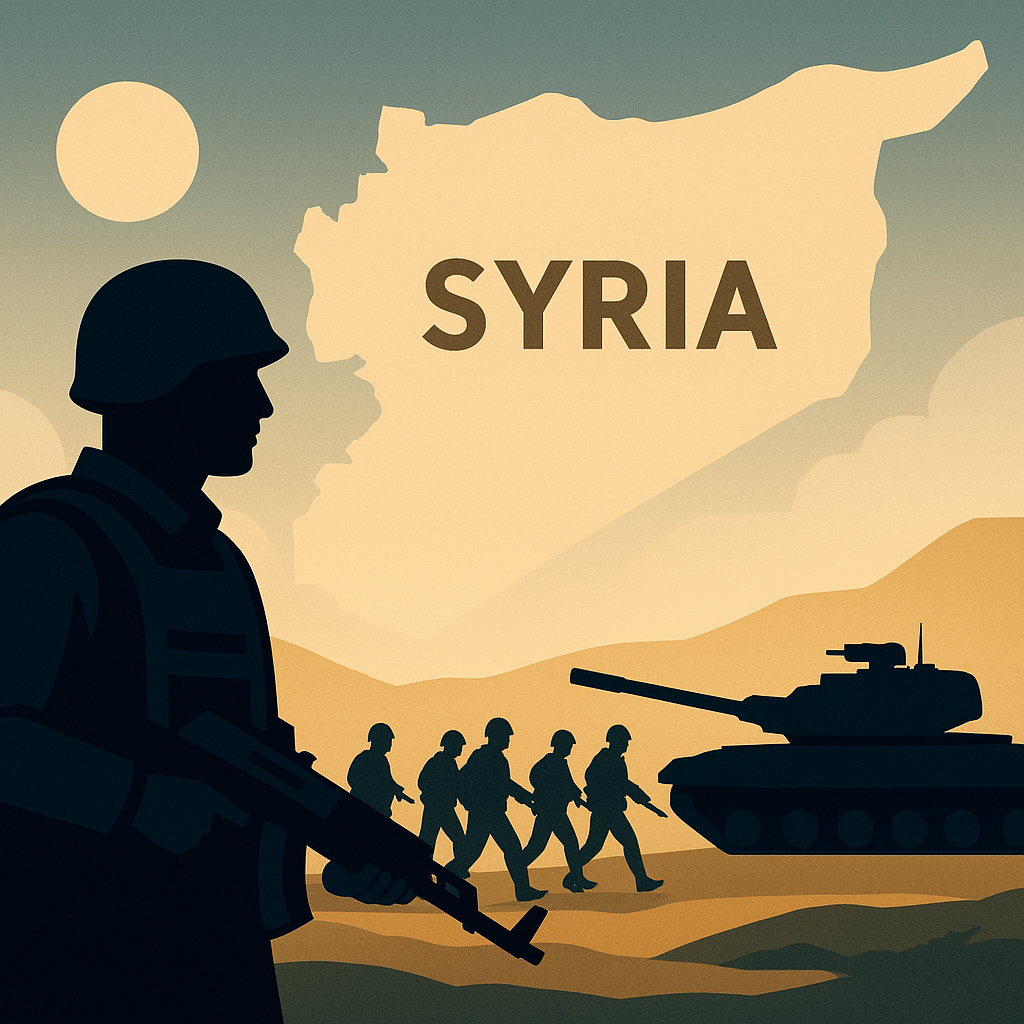
The decision to have 1,500 soldiers on standby for potential deployment to Minneapolis represents a critical response to escalating anti-ICE protests. While aiming to manage unrest, this move raises concerns about institutional trust and national security. Local law enforcement, under strain from heightened tensions, seeks military backing, complicating the delicate balance between civil order and civil rights.
This military posture signals an immediate action plan and highlights ongoing debates about the role of military resources in civil situations. A successful deployment may suppress protests; however, it risks inflaming public sentiment against perceived authoritarian responses, potentially deepening skepticism towards governmental institutions.
Local Law Enforcement: Balancing Resource Limitations
Facing mounting pressure, local law enforcement’s request for military aid emphasizes a pressing reality: dwindling resources hinder their order maintenance capabilities. With intense protests in Minneapolis, the 1,500 soldiers on standby could provide essential leverage, significantly altering the effectiveness and speed of unrest control.
Yet, collaboration with the federal military poses risks. If protests escalate, combined forces might intensify tensions, compromising the legitimacy of local officials. Their credibility hinges precariously on navigating the narrow margin between enforcing order and safeguarding civil rights amidst the demands of a volatile situation.
Public Sentiment: Uncertain Reactions to a Military Presence
As potential military deployment discussions progress, public sentiment is increasingly uncertain. The deployment of 1,500 soldiers implies potential legal ramifications for protesters, stirring debate around military involvement in civil demonstrations. Given the engaged communities opposing ICE policies, the presence of troops may provoke backlash and resistance from the public.
What it turns into (Top outcomes)
Around 1,500 soldiers on standby for deployment to Minneapolis, officials say
Anti-ICE Protest Mobilization
movementWhy it works: The presence of soldiers may galvanize protestors and increase public discourse around immigration policies.
Why now: breaking momentum · 48h window
- Organize peaceful protests
- Create informative content on immigration issues
- Engage with local communities
Understanding the Role of Military in Civil Unrest
explainer_siteWhy it works: Educating the public on the implications of military involvement in civilian matters can foster informed discussions.
Why now: breaking momentum · 48h window
- Develop a comprehensive guide
- Share on social media platforms
- Host webinars to discuss implications
Documenting the Protests
video_trendWhy it works: Visual storytelling can capture the emotions and messages of the protests, potentially going viral.
Why it matters
Officials indicate that these soldiers are prepared to be mobilized should the situation deteriorate, particularly if former President Donald Trump opts to leverage military support amidst civil unrest. This development reflects both the gravity of the protests and the administration's intent to maintain order.
Scenarios
Best case
Soldiers are not deployed, and protests are resolved peacefully through dialogue and community engagement.
Base case
Soldiers are deployed, leading to a heightened security presence that maintains order but escalates tensions.
Worst case
The situation devolves into violent confrontations between protesters and military personnel, resulting in injuries and negative media coverage.
What to watch next
- Updates on decision-making from federal authorities regarding soldier deployment.
- Grassroots responses from protest organizers and community leaders in Minneapolis.
- Public sentiment indicators and polling on immigration and military involvement in civil matters.
Confidence & momentum
Confidence reflects data quality. Momentum tracks acceleration versus baseline.
Sources
Related signals



Top 3 plays
Creator & Founder Playbook
Play 1
Create a Protest Toolkit
With potential military involvement, activists need resources to organize effectively.
Next steps
- Compile resources
- Share widely on social media
- Engage with local leaders
Professional copy
Play 2
Host a Community Forum
Community discussions can help address fears and mobilize support.
Next steps
- Set a date
- Invite local leaders
- Promote on social media
Professional copy
Play 3
Create Informative Content
As the situation develops, clear information is crucial for public understanding.
Next steps
- Research the topic
- Create articles or videos
- Share across platforms
Professional copy
Personas & angles
For Journalists
1,500 Soldiers on Standby for Potential Deployment to Minneapolis Amid Protests
Officials prepare for possible military involvement as anti-ICE protests escalate.
One-line summary
Approximately 1,500 soldiers are on standby to be deployed to Minneapolis if required to manage anti-ICE protests.
Background
The deployment comes as tensions rise in Minneapolis over immigration issues, particularly regarding ICE enforcement policies.
What changed
Military readiness has been heightened following concerns about escalating protests in the city.
Why it matters
The decision to deploy military personnel could impact public safety, civil liberties, and the dynamics of ongoing protests.
Story angles
- Analysis of public response to potential military deployment in civilian protests.
- Implications of military involvement on local governance and civil rights.
- Historical precedents for military deployments in domestic protests.
Questions to ask
- What are the official justifications for the potential deployment?
- How has the community reacted to news of soldiers on standby?
- What legal frameworks govern military involvement in civilian matters?
Sources to check
- BBC World
For Creators
Big Idea
Understanding the military's role in civil unrest scenarios.
Hook: Why are 1,500 soldiers on standby in Minneapolis, and what does it mean for the future of protests?
Short-form concepts
- Overview of anti-ICE protests
- Role of military in domestic issues
- Potential implications of soldier deployment
- Voices from the community on military presence
Titles
- Soldiers on Standby: What You Need to Know
- Minneapolis in Focus: Military Readiness Explained
- Understanding the Role of Soldiers in Protests
Opening hooks
- Did you know 1,500 soldiers might soon hit the streets of Minneapolis?
- What would a military presence in a city mean for its people?
- As protests escalate, could the military be the next step?
30s narration
In a surprising turn of events, around 1,500 soldiers are on standby for potential deployment to Minneapolis. This move comes in light of rising anti-ICE protests. Let's dive into why this could be significant for both the community and the ongoing discourse surrounding civil unrest.
60s narration
Reports indicate that around 1,500 soldiers are ready for potential deployment to Minneapolis, a response to growing anti-ICE protests. But why now? This readiness raises questions about the military's involvement in domestic issues. Where do we draw the line between law enforcement and military intervention? Local voices have differing opinions, and it's crucial to explore both the benefits and consequences of such a deployment. Understanding this scenario offers vital insights into the future of protest movements and public safety.
Stay Ahead of the Curve.
Signal-based insights delivered before they hit mainstream.